The National Collection of Type Cultures: where 100-year-old samples help solve today’s problems

Scientist using a blow torch to seal an ampule with a bacterial sample inside Within the UK Health Security Agency lies a scientific treasure trove, known as the Culture Collections. Its 4 repositories house thousands of meticulously preserved microorganisms, with some specimens dating back to World War 1 and the late 19th Century. At their heart is … Read more

Changes to health protection notification regulations

From 6 April 2025, we’re expanding the list of pathogens that Registered Medical Professionals and laboratories in England must notify us about. The changes will strengthen local and national surveillance and support a prompt response to outbreaks of infectious diseases. In this blog post, we will provide more information on the changes and important links. … Read more

Behind the Scenes at RIPL: Protecting the UK from deadly diseases

In this blog post we take a behind-the-scenes look at the Rare and Imported Pathogens Laboratory (RIPL), where our scientists work to safeguard public health from rare and deadly diseases. Our laboratories RIPL is the UK’s frontline clinical diagnostic laboratory for unusual, rare, and hazardous infections, particularly those imported from abroad. Every day, our scientists … Read more

Andrew Donaldson-Wheatcroft: ‘We should see HIV testing as an essential part of self-care’

If you are interested in skincare, beauty and wellness, you might know of influencer Andrew Donaldson-Wheatcroft, who has well over 200,000 followers on his social media accounts. Alongside this content, Andrew is an advocate for people living with HIV. In this blog post, he shares the story of his HIV diagnosis. Before I was diagnosed … Read more

Meningitis: I underwent multiple surgeries, including the amputation of several fingers

Meningococcal group C (MenC) disease cases are down by 99% since the vaccination programme was introduced by UKHSA and NHS England in 1999, but the fight against the deadly diseases that cause meningitis and septicaemia continues. In 2018, Becca Heritage was a young university student studying general medicine, with the ambition to become an NHS … Read more

How human organs grown in labs are helping to develop the vaccines of the future

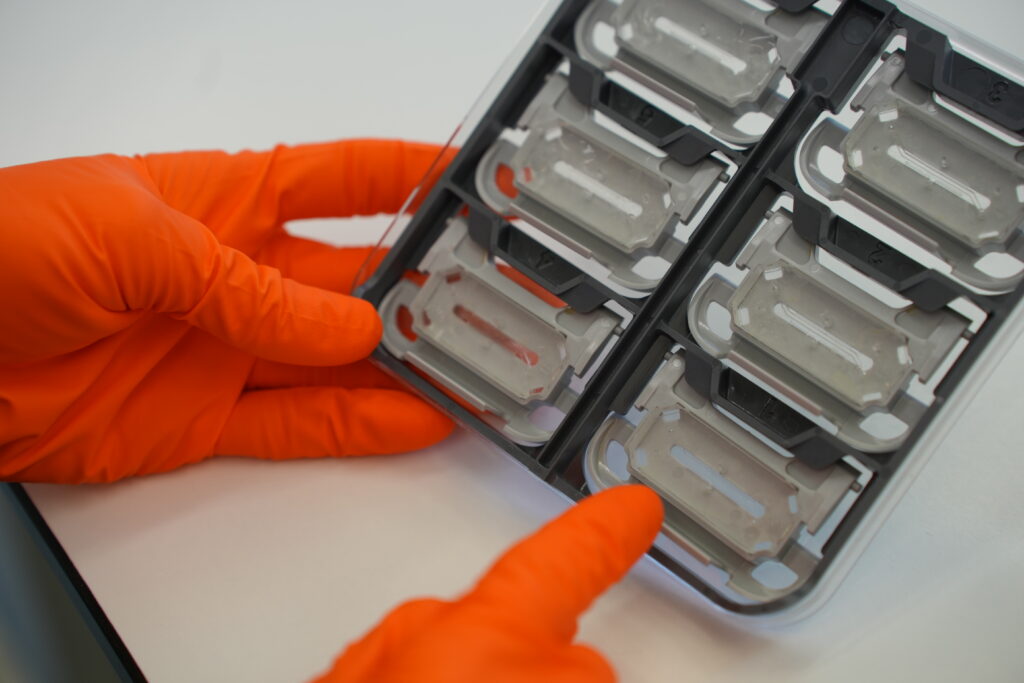
In a lab in Porton Down, scientists are growing human organs on tiny cassette-like chips to help accelerate the development of new drugs, therapeutic medicines and vaccines. These replica organ systems were first pioneered for human drug toxicity assessments, but are now being developed for use in cancer, radiation, chemical exposure and infectious disease research. … Read more