What is UKHSA doing about antibiotic resistance?

Antimicrobial resistance (AMR) occurs when medicines used to fight infections lose their effectiveness because the organisms they target – whether bacteria, fungi, viruses or parasites – have evolved or acquired adaptations to survive. In 2019, AMR was directly responsible for about 1.27 million deaths globally. Sustained action is required to curb inappropriate use of antibiotics, … Read more

How did singing and dancing pills raise awareness of antibiotic resistance? 

Antimicrobial resistance (AMR) occurs when organisms that cause infection, like bacteria, develop resistance to medicines like antibiotics. The World Health Organization estimates that there are 4.95 million deaths per year associated with AMR and the issue is a top public health priority for policymakers in the UK and around the world.    In December 2017, Public … Read more

Inside Britain’s Deadly Fungus Collection

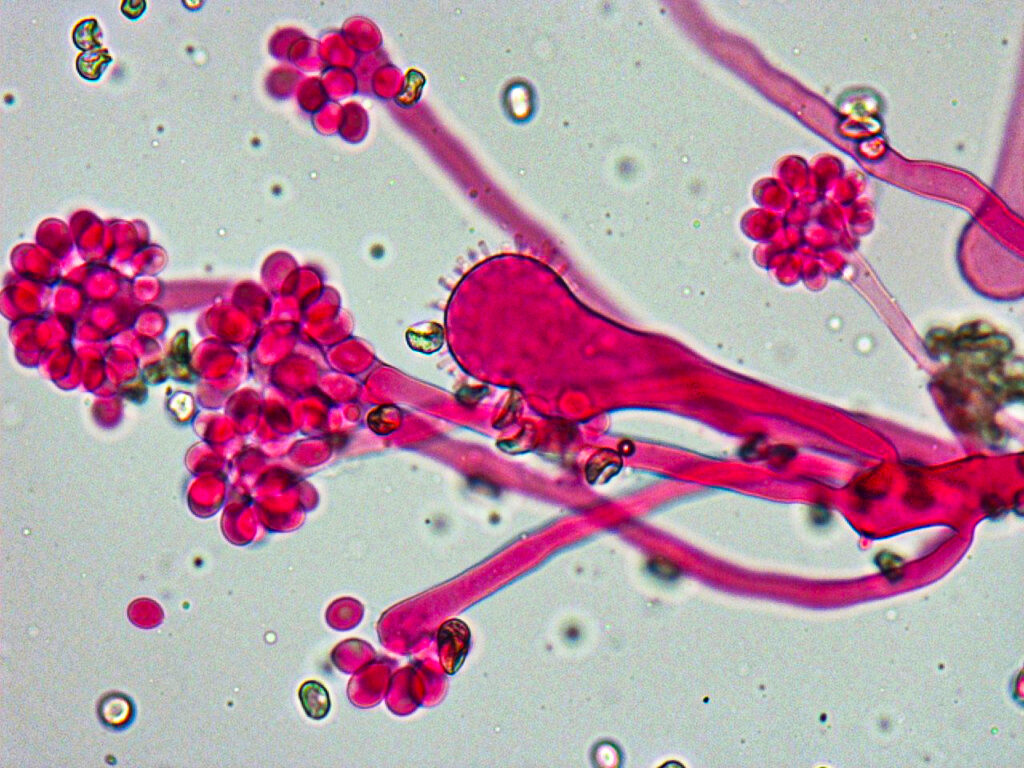
Housed near Bristol, UKHSA’s National Collection of Pathogenic Fungi (NCPF) is home to more than 4,500 isolates of potentially deadly fungi, gathered over the last century. The collection serves as a remarkable illustration of how scientific endeavours from the World War II era continue to hold significance in the present day. Moreover, it offers a … Read more

STIs through the centuries

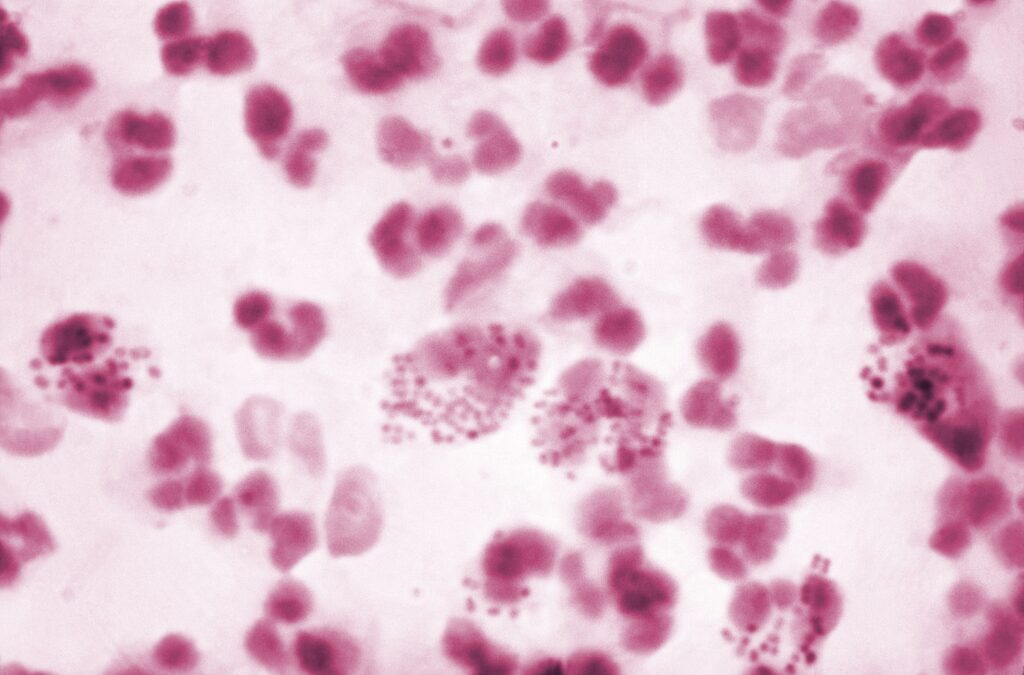
In England, data produced by the UKHSA shows that year after year new diagnoses of sexually transmitted infections STIs remain high and, between 2021 and 2022, diagnoses of gonorrhoea and infectious syphilis increased by 50% and 15% respectively. In this blog post we will explore the rising tide of STIs across the eons, how ancient … Read more

How bacteria-munching viruses could offer an alternative to antibiotics

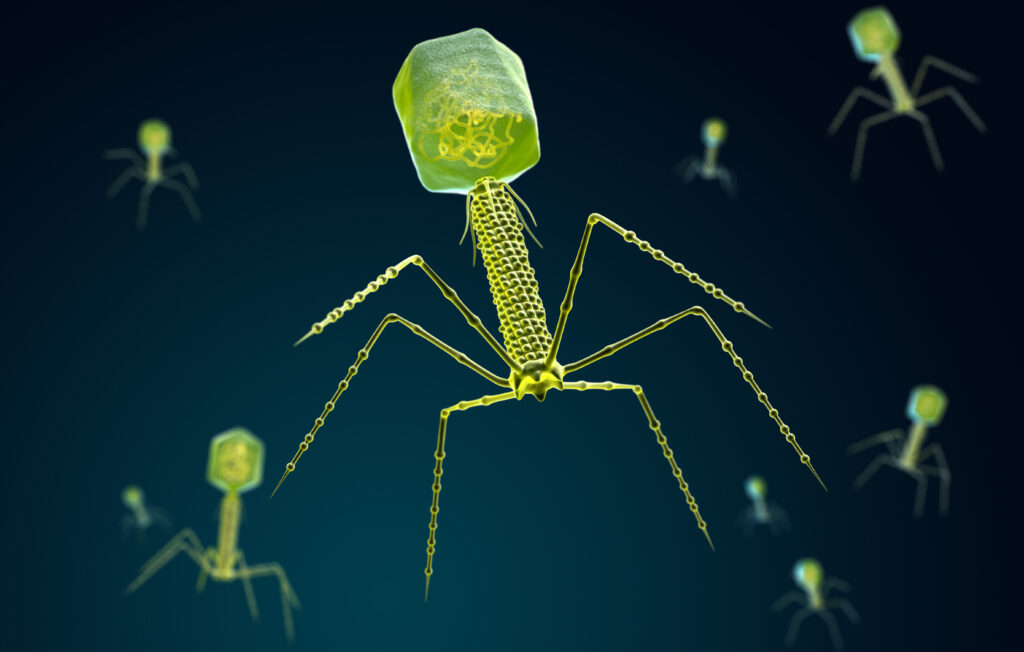
They look like something out of nightmare, but these so-called ‘spider viruses’ could be a powerful new weapon in tackling the growing threat of antibiotic resistance. Bacteriophages, or phages for short, have a remarkable and currently untapped potential for viral therapies. Their name comes from the Greek for to eat – ‘phagein’ – suggesting that … Read more

What are mRNA vaccines and how do they work?

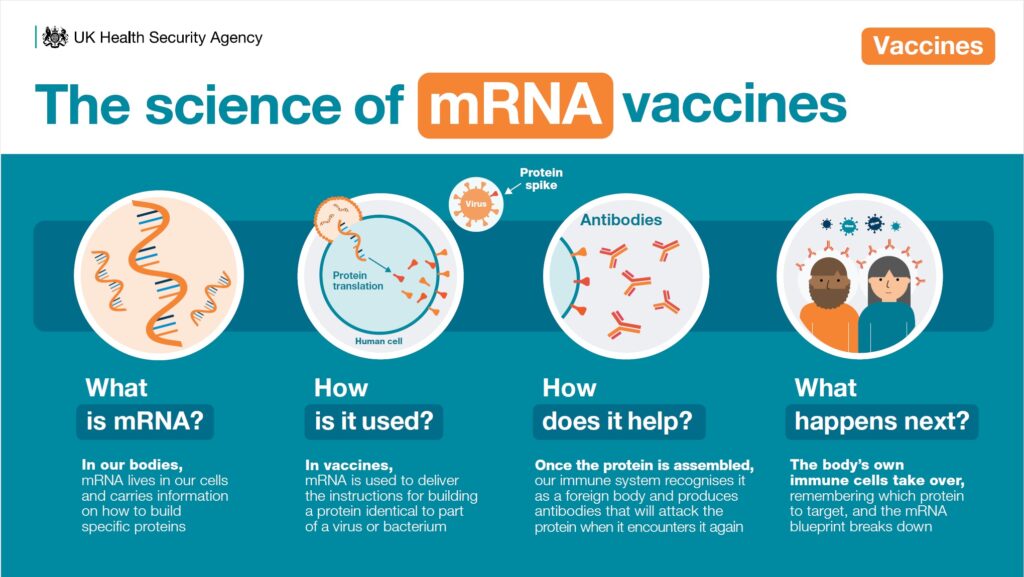
The COVID-19 pandemic highlighted the urgent need for swift and safe vaccine development during public health emergencies. As detailed in the 100 Days Mission report, proactive vaccine research and development during non-crisis periods is important to help ensure we can quickly mobilise vaccines when new pathogens emerge. Our Vaccine Development and Evaluation Centre (VDEC) at Porton Down … Read more