Integrative management of bipolar disorder: Using amino acids and omega-3s to naturally treat mental illness
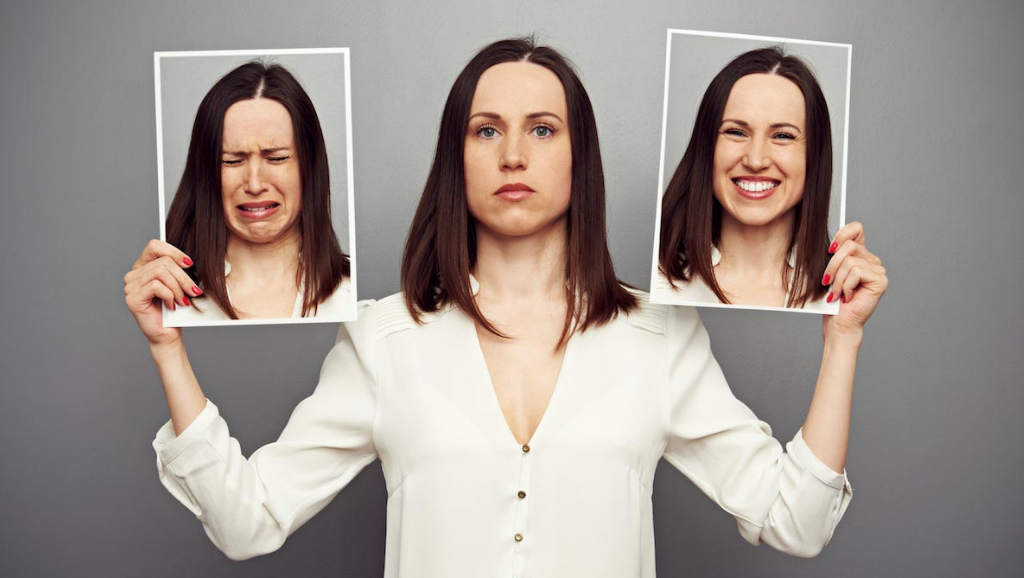
(Natural News) Using amino acids and omega-3 fatty acids can help in the management of bipolar disorder, according to an article published on the website PsychologyToday.com. In the article, it was suggested that taking the amino acid L-tryptophan at the dose between two to three grams (g) every day or 25 to 100 milligrams (mg)… … Read more

Researchers emphasize the importance of nutrition in preventing dementia

(Natural News) Nutrition experts have long stressed the role of essential nutrients in preventing deadly disease, an article on Nutra Ingredients USA stated. Some of them are now arguing for the recognition of other nutrients like curcumin and lutein that amend the symptoms of non-lethal yet serious diseases, such as the various forms of dementia…. … Read more

Useful way to repurpose invasive weeds: Water hyacinth, an invasive plant to river ecosystems, may prove useful for oil sorption

(Natural News) Those thick clumps of water hyacinth clogging our waterways might be useful for something, after all. A Thai study suggested that the invasive floating plant can be turned into biodegradable adsorption materials that can clean up oil spills better than polypropylene-based sorbents. The findings were published in the International Organization of Scientific Research. Polypropylene… … Read more

Dangerous, toxic, potentially catastrophic: Tailing ponds for copper mine quietly being planned upstream from the St. Louis River, Lake Superior

(Natural News) A Global Research article drew attention to the quiet plans of a foreign corporation to set up insufficiently secure toxic tailing ponds for its copper mine sited upstream of the vital St. Louis River in Minnesota. According to the article, PolyMet Mining is planning to set up an “enormously dangerous [and] potentially catastrophic” lagoon that… … Read more

Understanding the ingredients in your exercise and athletic performance supplements

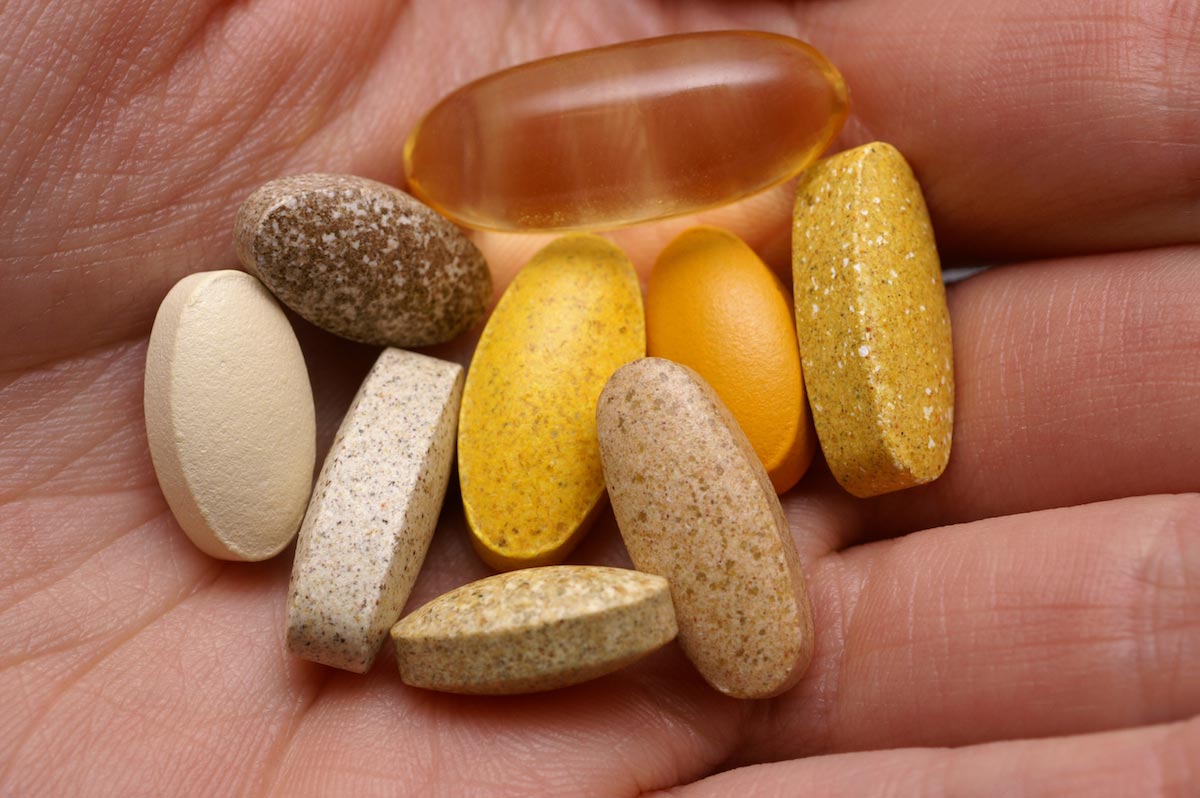
(Natural News) Dietary supplements are often recommended by nutritionists to improve your fitness or shed excess pounds. However, their ingredients might not deliver on their promises, either because they don’t work or they’re meant for a different level of performance. So a federal research center released summaries about the ingredients used by supplements. The National… … Read more

Medical tests miss most heart attacks – nearly two-thirds are “unrecognized”

(Natural News) A new study on myocardial infarctions (MI; commonly referred to as heart attacks) raised concerns that standard medical tests fail to properly diagnose up to two-thirds of unrecognized MI cases. An unrecognized heart attack is a sub-clinical event. That is to say, its symptoms are too faint to be detected by common medical exams. Their accurate detection requires electrocardiographic… … Read more

Understanding cravings: Food preferences are linked to dietary needs; dopamine may play a role in what you choose to eat, research suggests

(Natural News) For the first time ever, researchers are understanding a nutrient-specific hunger mechanism in living organisms. Specifically, a team from John Hopkins University has pinpointed the neurons responsible for protein cravings in fruit flies – neurons that the team was able to turn on and off. As part of their study, the researchers deprived fruit… … Read more

Borage seed oil found to mitigate effects of radiation therapy on the liver

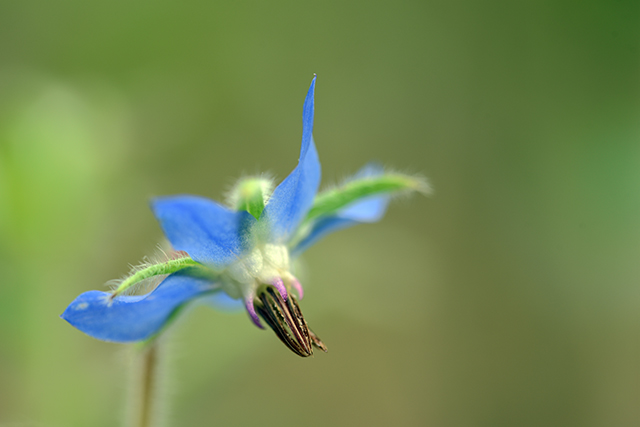
(Natural News) Also known as starflower, borage (Borago officinalis) is an herbaceous flowering plant most known for being the source of borage oil. Like many other plant-based oils, borage oil contains a powerful anti-inflammatory compound known as gamma-linolenic acid (GLA); however, borage oil is unique in that its GLA content is remarkably high. With this… … Read more

Same thing, only better: Your brain behaves differently when you’re outside than it does – performing the same tasks – indoors

(Natural News) The brain behaves differently outdoors compared to when it’s indoors, according to researchers from the University of Alberta. The study, published in the journal Brain Research, investigated what happens to the brain when it performs tasks in “increasingly complex environments” – such as the outdoors – using mobile electroencephalography (EEG). “Something about being outdoors changes brain activity,” lead author Joanna… … Read more

This Oriental medicine protects postmenopausal women from memory decline

(Natural News) Memory loss in postmenopausal women is a serious but underreported condition. This is mainly due to most medical doctors ignoring other factors that may cause a decline in neurocognitive function other than aging. Take note that while memory decline may occur as you get older, it may also be a result from a… … Read more